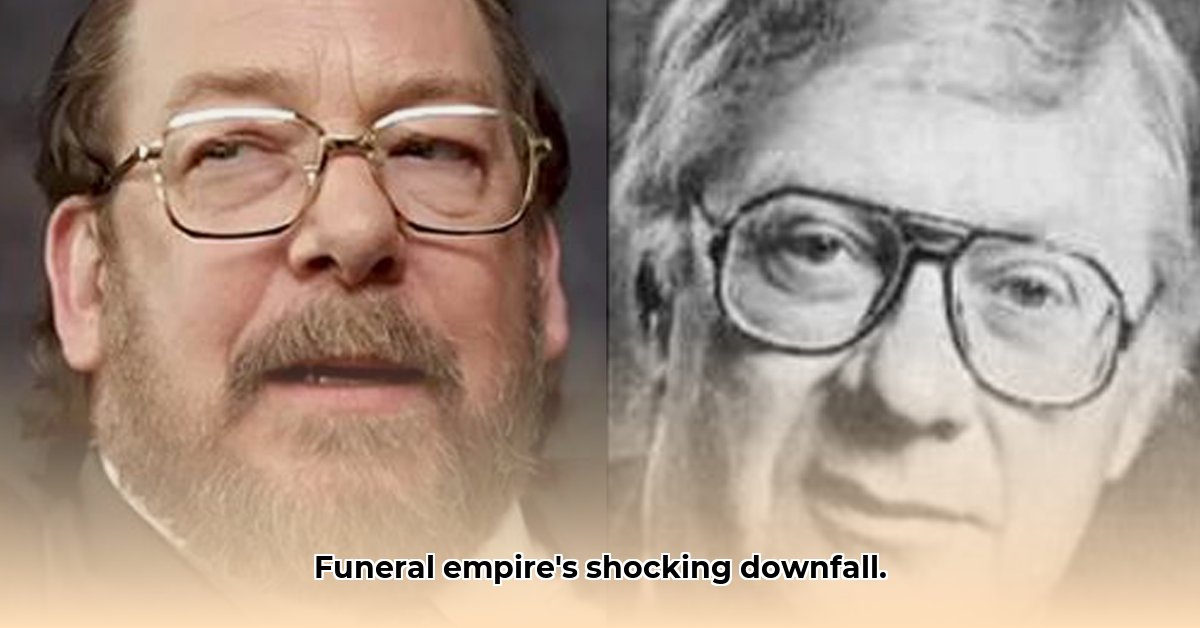
Raymond Loewen's story is a cautionary tale of ambition, rapid expansion, and the devastating consequences of ethical lapses. He built a multi-million dollar funeral empire, only to see it crumble under the weight of a massive lawsuit, leaving his personal net worth significantly diminished. This article explores his journey, from humble beginnings to spectacular success, and the dramatic fall that followed.
From Mennonite Roots to Funeral Dynasty
Born into a Mennonite community, known for its strong work ethic, Loewen leveraged these values to build a business empire. Starting small, he meticulously expanded his undertaking business through a series of strategic acquisitions. By the mid-1990s, the Loewen Group controlled an astonishing 1,115 funeral homes across North America, employing approximately 15,000 people. This remarkable growth showcased Loewen's entrepreneurial drive and shrewd business acumen. His ambition extended beyond the business world; he even dabbled in British Columbia politics, further demonstrating his multifaceted capabilities. Yet, this rapid expansion sowed the seeds of his future downfall. How could such a seemingly unstoppable force be brought to its knees? The answer lies in a single, pivotal lawsuit.
The O'Keefe Lawsuit: A Turning Point
In 1995, Jeremiah O'Keefe, a competitor, filed a landmark lawsuit against the Loewen Group, alleging anti-competitive practices, including price manipulation and deceptive business tactics. The ensuing legal battle was fiercely contested and garnered significant media attention. The initial jury verdict awarded O'Keefe a staggering $500 million in punitive damages. Though this amount was later reduced to $175 million following a settlement, the damage to Loewen's reputation and the financial stability of his company was already irreparable. This event not only decimated the company’s financial standing but also highlighted the critical importance of ethical practices in business.
The Collapse and the Uncertaintly of Raymond Loewen's Net Worth
The O'Keefe lawsuit proved to be the catalyst for the unraveling of the Loewen Group. The company reported losses exceeding $600 million, leading to significant financial instability. In 1998, Loewen resigned as CEO, a clear admission that the situation was beyond recovery. Two years later, in 1999, the Loewen Group filed for bankruptcy, marking the end of a once-dominant force in the funeral industry. The subsequent sale of the company's assets signaled the final chapter of this dramatic saga. Precise figures regarding Raymond Loewen's post-bankruptcy net worth remain elusive, though it is indisputable that his personal wealth suffered a catastrophic decline.
Lessons Learned: Ambition, Ethics, and Risk Management
Raymond Loewen's story offers valuable, albeit cautionary, lessons for aspiring entrepreneurs. His initial success demonstrates the power of ambition and strategic business decisions. However, his downfall underscores the critical necessity of ethical conduct and robust risk management. The lawsuit exposed a lack of internal controls and ethical oversight within the Loewen Group, highlighting the devastating consequences of neglecting these essential aspects of business operation. His story serves as a constant reminder of the need to balance ambition with responsible business practices and legal compliance.
Mitigating Risk: Steps to Avoid a Similar Fate
The Loewen Group's collapse highlights critical risk factors that businesses must proactively address. These include:
- Aggressive expansion without thorough due diligence: Rushing into acquisitions without proper vetting can lead to unforeseen legal and financial problems.
- Lack of transparency and ethical oversight: A culture of transparency and ethical business practices is paramount to long-term success. Independent audits and strong internal controls should be implemented.
- Failure to address contractual disputes promptly: Promptly addressing and resolving contractual disputes can prevent escalation and significant legal battles.
Preventing a similar downfall requires a proactive approach that emphasizes ethical conduct, robust risk management, and ongoing legal counsel. The emphasis should be on creating a culture of compliance and transparency alongside aggressive growth strategies. Such a balance is vital for navigating the complexities of the business world and avoiding potentially financially devastating consequences.
Conclusion: A Cautionary Tale for the Modern Entrepreneur
Raymond Loewen's story remains a potent reminder of the precarious balance between ambition and ethical business practices. While his entrepreneurial success was undeniable, his ultimate downfall serves as a powerful cautionary tale for aspiring entrepreneurs. The critical lesson is that unchecked ambition, without a strong foundation in ethical conduct and proactive risk management, can lead to disastrous consequences. His story continues to shape discussions in business schools and legal circles, emphasizing the urgent need to prioritize integrity and compliance in the pursuit of business growth.